

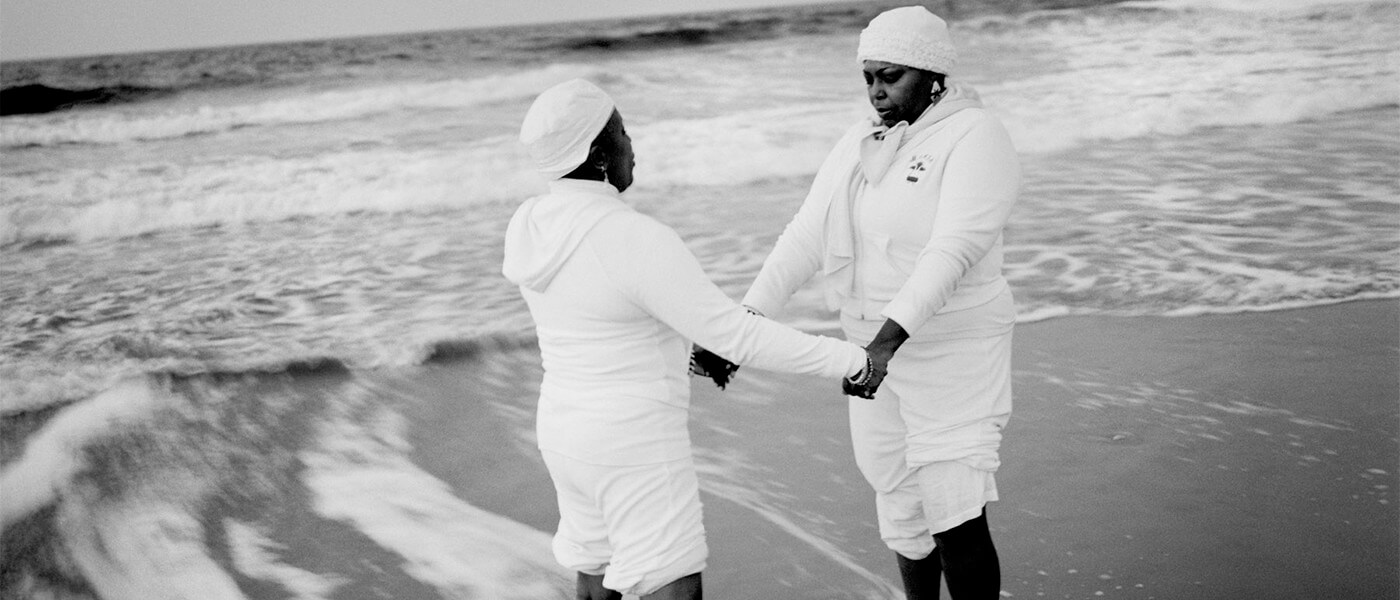
From Wounded Knee to the Edmund Pettus Bridge, Marked, Unmarked, Remembered presents photographs by Andrew Lichtenstein of significant sites from U.S. history, posing unsettling questions about the contested memory of traumatic episodes from the nations past. Focusing especially on landscapes related to African American, Native American and labor history, Lichtenstein reveals new vistas of officially commemorated sites, sites that are neglected or obscured, and sites that serve as a gathering place for active rituals of organized memory. Curator: Mark Ludak, Department of Art and Design
From Wounded Knee to the Edmund Pettus Bridge, Marked, Unmarked, Remembered presents photographs by Andrew Lichtenstein of significant sites from U.S. history, posing unsettling questions about the contested memory of traumatic episodes from the nations past. Focusing especially on landscapes related to African American, Native American and labor history, Lichtenstein reveals new vistas of officially commemorated sites, sites that are neglected or obscured, and sites that serve as a gathering place for active rituals of organized memory. Curator: Mark Ludak, Department of Art and Design
From Wounded Knee to the Edmund Pettus Bridge, Marked, Unmarked, Remembered presents photographs by Andrew Lichtenstein of significant sites from U.S. history, posing unsettling questions about the contested memory of traumatic episodes from the nations past. Focusing especially on landscapes related to African American, Native American and labor history, Lichtenstein reveals new vistas of officially commemorated sites, sites that are neglected or obscured, and sites that serve as a gathering place for active rituals of organized memory. Curator: Mark Ludak, Department of Art and Design
From Wounded Knee to the Edmund Pettus Bridge, Marked, Unmarked, Remembered presents photographs by Andrew Lichtenstein of significant sites from U.S. history, posing unsettling questions about the contested memory of traumatic episodes from the nations past. Focusing especially on landscapes related to African American, Native American and labor history, Lichtenstein reveals new vistas of officially commemorated sites, sites that are neglected or obscured, and sites that serve as a gathering place for active rituals of organized memory. Curator: Mark Ludak, Department of Art and Design
From Wounded Knee to the Edmund Pettus Bridge, Marked, Unmarked, Remembered presents photographs by Andrew Lichtenstein of significant sites from U.S. history, posing unsettling questions about the contested memory of traumatic episodes from the nations past. Focusing especially on landscapes related to African American, Native American and labor history, Lichtenstein reveals new vistas of officially commemorated sites, sites that are neglected or obscured, and sites that serve as a gathering place for active rituals of organized memory. Curator: Mark Ludak, Department of Art and Design

On Saturday March 9th, experience first-hand the North American tradition of maple sugaring at Hunterdon County’s Maple Sugaring Program. The tour will take you through the experience and the art of the sugaring process. Along the way you will see an early American Frontiersman tapping his trees, visit a sugar “farmer” at his evaporator, and enjoy a Native American story about the discovery of maple sap. Everyone will get a free taste of real maple syrup on a silver dollar pancake at the end of the tour. All ages are welcome.
Time: 9:00 AM to 2:00 PM – tours begin every 20 minutes (duration: 1 hr)
Cost: $1 per person suggested donation
From Wounded Knee to the Edmund Pettus Bridge, Marked, Unmarked, Remembered presents photographs by Andrew Lichtenstein of significant sites from U.S. history, posing unsettling questions about the contested memory of traumatic episodes from the nations past. Focusing especially on landscapes related to African American, Native American and labor history, Lichtenstein reveals new vistas of officially commemorated sites, sites that are neglected or obscured, and sites that serve as a gathering place for active rituals of organized memory. Curator: Mark Ludak, Department of Art and Design
From Wounded Knee to the Edmund Pettus Bridge, Marked, Unmarked, Remembered presents photographs by Andrew Lichtenstein of significant sites from U.S. history, posing unsettling questions about the contested memory of traumatic episodes from the nations past. Focusing especially on landscapes related to African American, Native American and labor history, Lichtenstein reveals new vistas of officially commemorated sites, sites that are neglected or obscured, and sites that serve as a gathering place for active rituals of organized memory. Curator: Mark Ludak, Department of Art and Design
From Wounded Knee to the Edmund Pettus Bridge, Marked, Unmarked, Remembered presents photographs by Andrew Lichtenstein of significant sites from U.S. history, posing unsettling questions about the contested memory of traumatic episodes from the nations past. Focusing especially on landscapes related to African American, Native American and labor history, Lichtenstein reveals new vistas of officially commemorated sites, sites that are neglected or obscured, and sites that serve as a gathering place for active rituals of organized memory. Curator: Mark Ludak, Department of Art and Design
From Wounded Knee to the Edmund Pettus Bridge, Marked, Unmarked, Remembered presents photographs by Andrew Lichtenstein of significant sites from U.S. history, posing unsettling questions about the contested memory of traumatic episodes from the nations past. Focusing especially on landscapes related to African American, Native American and labor history, Lichtenstein reveals new vistas of officially commemorated sites, sites that are neglected or obscured, and sites that serve as a gathering place for active rituals of organized memory. Curator: Mark Ludak, Department of Art and Design
From Wounded Knee to the Edmund Pettus Bridge, Marked, Unmarked, Remembered presents photographs by Andrew Lichtenstein of significant sites from U.S. history, posing unsettling questions about the contested memory of traumatic episodes from the nations past. Focusing especially on landscapes related to African American, Native American and labor history, Lichtenstein reveals new vistas of officially commemorated sites, sites that are neglected or obscured, and sites that serve as a gathering place for active rituals of organized memory. Curator: Mark Ludak, Department of Art and Design
From Wounded Knee to the Edmund Pettus Bridge, Marked, Unmarked, Remembered presents photographs by Andrew Lichtenstein of significant sites from U.S. history, posing unsettling questions about the contested memory of traumatic episodes from the nations past. Focusing especially on landscapes related to African American, Native American and labor history, Lichtenstein reveals new vistas of officially commemorated sites, sites that are neglected or obscured, and sites that serve as a gathering place for active rituals of organized memory. Curator: Mark Ludak, Department of Art and Design
From Wounded Knee to the Edmund Pettus Bridge, Marked, Unmarked, Remembered presents photographs by Andrew Lichtenstein of significant sites from U.S. history, posing unsettling questions about the contested memory of traumatic episodes from the nations past. Focusing especially on landscapes related to African American, Native American and labor history, Lichtenstein reveals new vistas of officially commemorated sites, sites that are neglected or obscured, and sites that serve as a gathering place for active rituals of organized memory. Curator: Mark Ludak, Department of Art and Design
From Wounded Knee to the Edmund Pettus Bridge, Marked, Unmarked, Remembered presents photographs by Andrew Lichtenstein of significant sites from U.S. history, posing unsettling questions about the contested memory of traumatic episodes from the nations past. Focusing especially on landscapes related to African American, Native American and labor history, Lichtenstein reveals new vistas of officially commemorated sites, sites that are neglected or obscured, and sites that serve as a gathering place for active rituals of organized memory. Curator: Mark Ludak, Department of Art and Design
From Wounded Knee to the Edmund Pettus Bridge, Marked, Unmarked, Remembered presents photographs by Andrew Lichtenstein of significant sites from U.S. history, posing unsettling questions about the contested memory of traumatic episodes from the nations past. Focusing especially on landscapes related to African American, Native American and labor history, Lichtenstein reveals new vistas of officially commemorated sites, sites that are neglected or obscured, and sites that serve as a gathering place for active rituals of organized memory. Curator: Mark Ludak, Department of Art and Design
From Wounded Knee to the Edmund Pettus Bridge, Marked, Unmarked, Remembered presents photographs by Andrew Lichtenstein of significant sites from U.S. history, posing unsettling questions about the contested memory of traumatic episodes from the nations past. Focusing especially on landscapes related to African American, Native American and labor history, Lichtenstein reveals new vistas of officially commemorated sites, sites that are neglected or obscured, and sites that serve as a gathering place for active rituals of organized memory. Curator: Mark Ludak, Department of Art and Design
From Wounded Knee to the Edmund Pettus Bridge, Marked, Unmarked, Remembered presents photographs by Andrew Lichtenstein of significant sites from U.S. history, posing unsettling questions about the contested memory of traumatic episodes from the nations past. Focusing especially on landscapes related to African American, Native American and labor history, Lichtenstein reveals new vistas of officially commemorated sites, sites that are neglected or obscured, and sites that serve as a gathering place for active rituals of organized memory. Curator: Mark Ludak, Department of Art and Design
From Wounded Knee to the Edmund Pettus Bridge, Marked, Unmarked, Remembered presents photographs by Andrew Lichtenstein of significant sites from U.S. history, posing unsettling questions about the contested memory of traumatic episodes from the nations past. Focusing especially on landscapes related to African American, Native American and labor history, Lichtenstein reveals new vistas of officially commemorated sites, sites that are neglected or obscured, and sites that serve as a gathering place for active rituals of organized memory. Curator: Mark Ludak, Department of Art and Design
From Wounded Knee to the Edmund Pettus Bridge, Marked, Unmarked, Remembered presents photographs by Andrew Lichtenstein of significant sites from U.S. history, posing unsettling questions about the contested memory of traumatic episodes from the nations past. Focusing especially on landscapes related to African American, Native American and labor history, Lichtenstein reveals new vistas of officially commemorated sites, sites that are neglected or obscured, and sites that serve as a gathering place for active rituals of organized memory. Curator: Mark Ludak, Department of Art and Design

While you enjoy a delicious hot breakfast buffet at Game Time Bar and Grill, inside of iPlay America, Sonny the Bunny will walk around and visit with guests at their tables. Miss Sheri will be performing live in City Square along with many other performances and activities! The whole family can get in on the fun and dance and sing along! Then, gather the whole family together for a picture with Sonny the Bunny taken by our professional photographer with a free digital download. You can also add on special treats from Sonny the Bunny himself at check out!
After breakfast, head into the park for the Colossal Carrot Adventure to hop around the bunny trail to collect eggs filled with treats and prizes as well as raffle prizes!

Hop into a day of Family Fun this Easter Season! On Sunday, April 14 enjoy a day with the family at Monmouth Park’s Easter Bunny Brunch. Start with a delicious brunch in our private Turf Club, then take family photos with our guest the Easter Bunny, followed by a private Easter Egg Hunt! Tickets include a full brunch, photos with the Easter Bunny, and a private Easter Egg Hunt. The Private Easter Egg Hunt will be in two age groups: 3 and under, 4-10. Our special guest the Easter Bunny will be hopping around the Easter Egg Hunt so be sure to say hi!
Menu: http://monmouthpark.com/uploadedFiles/Easter%20Brunch%20Menu%202019.pdf

Enjoy the day strolling the Village and seeing spectacular vintage British cars on display. Historic Smithville offers 60 Shoppes, 7 eateries, a carousel ride, train ride, paddleboats, arcade, on site lodging at the Colonial Inn, and over 26 free weekend events!

Come get an inside look of the National Historic Landmark, known as the T. Thomas Fortune Cultural Center will be open for the “Old Monmouth Weekend” Tour of Historical Sites. The T. Thomas Fortune Cultural Center, which has been fully restored, is the former home of the prominent African American journalist, T. Thomas Fortune, who lived there with his family from 1901-1912.
Come get an inside look of the National Historic Landmark, known as the T. Thomas Fortune Cultural Center will be open for the “Old Monmouth Weekend” Tour of Historical Sites. The T. Thomas Fortune Cultural Center, which has been fully restored, is the former home of the prominent African American journalist, T. Thomas Fortune, who lived there with his family from 1901-1912.

2019 Cape May Antique & Classic Automobile Show
Saturday, July 20
9am – 3pm
Collier’s Liquor Store Parking Lot on the corner of Jackson & Lafayette Streets.
Free To the Public
Registration Fee for Auto Owners • Limited to 40 Automobiles
Join us in beautiful Cape May, NJ for a day of sharing your car and memories!
For further information, call 609-884-9565.