

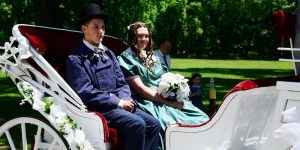
Come to The Historic Village at Allaire this June to celebrate the marriage of James P. Allaire’s daughter Maria to Thomas Andrews in 1836 at the Allaire Chapel. The reenactment will begin at 1PM, and then there will be cake, dancing, and music afterwards!
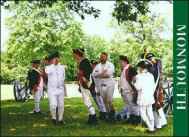
The reenactment of the Battle of Monmouth is an annual event at the park in late June. When you visit, you will pass enlisted men cleaning their weapons or idle away their time, and watch the women of the army cook, mend, and wash. You may encounter a drum major drilling his musicians or a court martial. At the parade ground, watch soldiers drill or artillerists fire their cannon. But we must alert you to keep an eye on your children, or the recruiting sergeant may have them drilling with wooden muskets!
The reenactment of the Battle of Monmouth is an annual event at the park in late June. When you visit, you will pass enlisted men cleaning their weapons or idle away their time, and watch the women of the army cook, mend, and wash. You may encounter a drum major drilling his musicians or a court martial. At the parade ground, watch soldiers drill or artillerists fire their cannon. But we must alert you to keep an eye on your children, or the recruiting sergeant may have them drilling with wooden muskets!
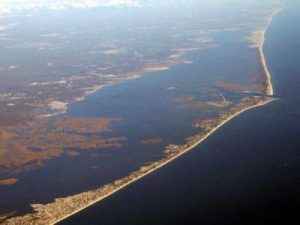
The Barnegat Bay-Little Egg Harbor estuary is under threat. Suburban sprawl and over-development prompted the Governor of New Jersey in 2010 to direct the NJ Department of Environmental Protection to research and develop a protection plan for the Ocean County bay. Citizens from the region, recreational users, commercial fisherman, activists, scientists, and land developers all shared their experiences with the NJDEP to develop a research strategy towards formulating new regulatory policies and a management plan for protecting the bay. This session explores how the research impacted the protection and stewardship planning. Issues of concern to the environmental regulatory agencies and the public include: nuisance jellyfish blooms, excess nutrients, the imminent closure of the Oyster Creek nuclear power plant on the bay, the benefits of marine conservation zones, and the status of the fish, crab and shellfish populations. Noteworthy is the collection of these data before and after Superstorm Sandy came ashore at BB-LEH, and its impact on the shallow bay. This program is part of the NJ Council for the Humanities Public Scholars Project. Event is free with a museum admission.

The Village Inn is located in Englishtown, Monmouth County, New Jersey and offers tours through out the house. Your tour takes you back into history when it was Washington’s Headquarters during the Revolutionary War. The building was built in 1732 and was added to the National Register of Historic Places on November 13, 1972. They offer snacks and small gifts at the end of the tour.

Bring your four-legged friend out for a fun-filled day of splashing & playing! Sunday, September 9th, 3pm – 5pm. Rabies tag & license required. The Bordatella vaccine (for Kennel Cough-recommended by veterinarians anytime dogs intermingle for a length of time), must be given at least 48 hours prior to this event in order for the vaccine to be effective. Rabies tag is NOT acceptable proof. All dogs must have a collar and a leash must be on hand by owner. Limit one dog per handler, NO aggressive dogs allowed (any dog exhibiting aggressive behavior will be required to leave with no refund). Every owner takes full responsibility for his or her dog at all times. Every owner must provide proof of vaccinations and license within 24 hours upon request. Advance ticket (not receipt) is required for entry. Swimming is for dogs only. Humans should not enter the water past knee depth. No puppies under 6 months of age are allowed. Female dogs in season are not allowed. Paws in the Park will be held rain or shine!
This is a Special Event, not a waterpark admission. Easter passes, coupons, specials and discounts are not valid for admission to this event. Admission is $20 per dog, $10 per handler, and extra guests are $10 each, with a portion of the proceeds benefiting the local SPCA.
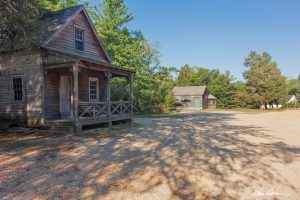
Andrew Anderson, historian at the Double Trouble Village State Historic site will share dramatic slides and video of the labor-intensive dry-picking harvest of cranberries and the modern day water harvest at cranberry farms in New Jersey. A Q&A session will follow this presentation.

1776 will remind us all of the world our forefathers envisioned when they created this nation. With music and lyrics by Sherman Edwards and a book by Peter Stone, 1776 is a compelling story breathing fresh life into the events surrounding the signing of the Declaration of Independence. The story follows historical figures John Adams, Benjamin Franklin, and Thomas Jefferson as they attempt to convince the members of the Second Continental Congress to vote for independence from the shackles of the British monarchy by signing the Declaration of Independence. 1776 is an entertaining and educational experience for the whole family!
Show dates & times:
Friday, October 12, 2018 at 8:00 PM
Saturday, October 13, 2018 at 8:00 PM
Sunday, October 14, 2018 at 3:00 PM
Saturday, October 20, 2018 at 8:00 PM
Sunday, October 21, 2018 at 3:00 PM
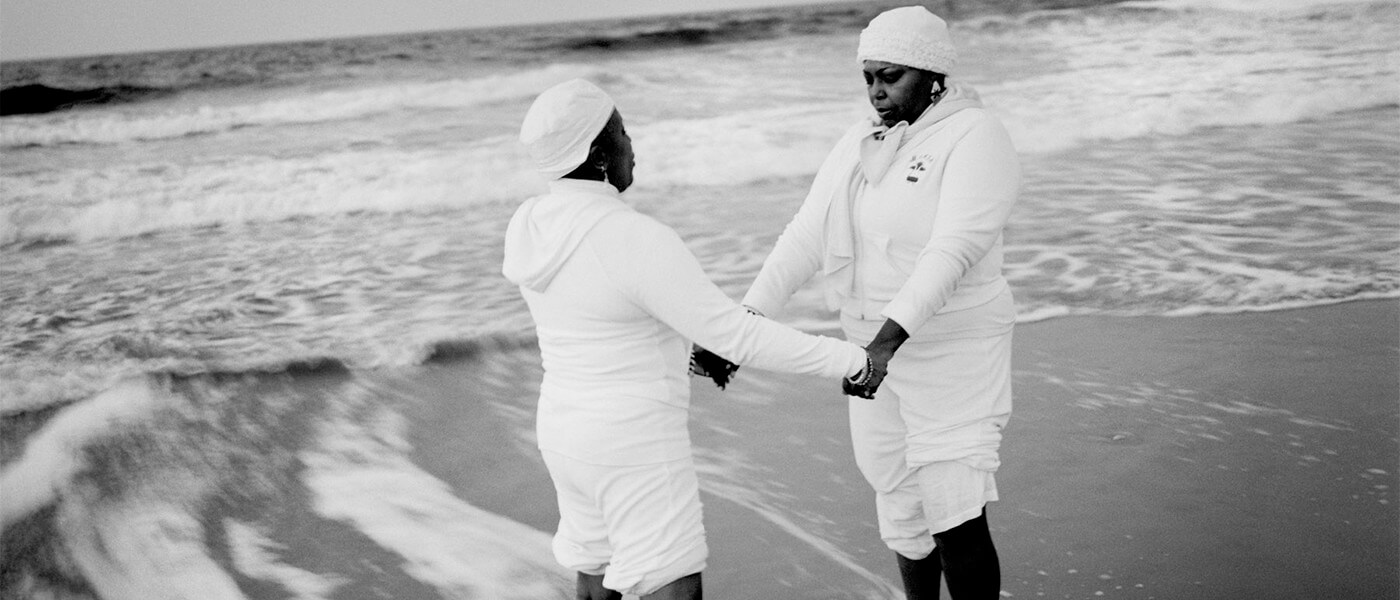
From Wounded Knee to the Edmund Pettus Bridge, Marked, Unmarked, Remembered presents photographs by Andrew Lichtenstein of significant sites from U.S. history, posing unsettling questions about the contested memory of traumatic episodes from the nations past. Focusing especially on landscapes related to African American, Native American and labor history, Lichtenstein reveals new vistas of officially commemorated sites, sites that are neglected or obscured, and sites that serve as a gathering place for active rituals of organized memory. Curator: Mark Ludak, Department of Art and Design
From Wounded Knee to the Edmund Pettus Bridge, Marked, Unmarked, Remembered presents photographs by Andrew Lichtenstein of significant sites from U.S. history, posing unsettling questions about the contested memory of traumatic episodes from the nations past. Focusing especially on landscapes related to African American, Native American and labor history, Lichtenstein reveals new vistas of officially commemorated sites, sites that are neglected or obscured, and sites that serve as a gathering place for active rituals of organized memory. Curator: Mark Ludak, Department of Art and Design
From Wounded Knee to the Edmund Pettus Bridge, Marked, Unmarked, Remembered presents photographs by Andrew Lichtenstein of significant sites from U.S. history, posing unsettling questions about the contested memory of traumatic episodes from the nations past. Focusing especially on landscapes related to African American, Native American and labor history, Lichtenstein reveals new vistas of officially commemorated sites, sites that are neglected or obscured, and sites that serve as a gathering place for active rituals of organized memory. Curator: Mark Ludak, Department of Art and Design
From Wounded Knee to the Edmund Pettus Bridge, Marked, Unmarked, Remembered presents photographs by Andrew Lichtenstein of significant sites from U.S. history, posing unsettling questions about the contested memory of traumatic episodes from the nations past. Focusing especially on landscapes related to African American, Native American and labor history, Lichtenstein reveals new vistas of officially commemorated sites, sites that are neglected or obscured, and sites that serve as a gathering place for active rituals of organized memory. Curator: Mark Ludak, Department of Art and Design
From Wounded Knee to the Edmund Pettus Bridge, Marked, Unmarked, Remembered presents photographs by Andrew Lichtenstein of significant sites from U.S. history, posing unsettling questions about the contested memory of traumatic episodes from the nations past. Focusing especially on landscapes related to African American, Native American and labor history, Lichtenstein reveals new vistas of officially commemorated sites, sites that are neglected or obscured, and sites that serve as a gathering place for active rituals of organized memory. Curator: Mark Ludak, Department of Art and Design
From Wounded Knee to the Edmund Pettus Bridge, Marked, Unmarked, Remembered presents photographs by Andrew Lichtenstein of significant sites from U.S. history, posing unsettling questions about the contested memory of traumatic episodes from the nations past. Focusing especially on landscapes related to African American, Native American and labor history, Lichtenstein reveals new vistas of officially commemorated sites, sites that are neglected or obscured, and sites that serve as a gathering place for active rituals of organized memory. Curator: Mark Ludak, Department of Art and Design
From Wounded Knee to the Edmund Pettus Bridge, Marked, Unmarked, Remembered presents photographs by Andrew Lichtenstein of significant sites from U.S. history, posing unsettling questions about the contested memory of traumatic episodes from the nations past. Focusing especially on landscapes related to African American, Native American and labor history, Lichtenstein reveals new vistas of officially commemorated sites, sites that are neglected or obscured, and sites that serve as a gathering place for active rituals of organized memory. Curator: Mark Ludak, Department of Art and Design
From Wounded Knee to the Edmund Pettus Bridge, Marked, Unmarked, Remembered presents photographs by Andrew Lichtenstein of significant sites from U.S. history, posing unsettling questions about the contested memory of traumatic episodes from the nations past. Focusing especially on landscapes related to African American, Native American and labor history, Lichtenstein reveals new vistas of officially commemorated sites, sites that are neglected or obscured, and sites that serve as a gathering place for active rituals of organized memory. Curator: Mark Ludak, Department of Art and Design
Come down and see what the farm staff is cooking on the wood-fired stove. Discover new recipes and cooking techniques. Study how the kitchens have changed since the 1890s in this free educational event.

From Wounded Knee to the Edmund Pettus Bridge, Marked, Unmarked, Remembered presents photographs by Andrew Lichtenstein of significant sites from U.S. history, posing unsettling questions about the contested memory of traumatic episodes from the nations past. Focusing especially on landscapes related to African American, Native American and labor history, Lichtenstein reveals new vistas of officially commemorated sites, sites that are neglected or obscured, and sites that serve as a gathering place for active rituals of organized memory. Curator: Mark Ludak, Department of Art and Design

At the Asbury Park museum there will be a presentation by Claire T. Garland, Director of the Sand Hill Indian Historical Society and Sharon Coleman Davis. The two ladies will share their family roots and history of the Cherokee Indian inhabitants of our area going back to the early 1700s.
From Wounded Knee to the Edmund Pettus Bridge, Marked, Unmarked, Remembered presents photographs by Andrew Lichtenstein of significant sites from U.S. history, posing unsettling questions about the contested memory of traumatic episodes from the nations past. Focusing especially on landscapes related to African American, Native American and labor history, Lichtenstein reveals new vistas of officially commemorated sites, sites that are neglected or obscured, and sites that serve as a gathering place for active rituals of organized memory. Curator: Mark Ludak, Department of Art and Design
From Wounded Knee to the Edmund Pettus Bridge, Marked, Unmarked, Remembered presents photographs by Andrew Lichtenstein of significant sites from U.S. history, posing unsettling questions about the contested memory of traumatic episodes from the nations past. Focusing especially on landscapes related to African American, Native American and labor history, Lichtenstein reveals new vistas of officially commemorated sites, sites that are neglected or obscured, and sites that serve as a gathering place for active rituals of organized memory. Curator: Mark Ludak, Department of Art and Design
From Wounded Knee to the Edmund Pettus Bridge, Marked, Unmarked, Remembered presents photographs by Andrew Lichtenstein of significant sites from U.S. history, posing unsettling questions about the contested memory of traumatic episodes from the nations past. Focusing especially on landscapes related to African American, Native American and labor history, Lichtenstein reveals new vistas of officially commemorated sites, sites that are neglected or obscured, and sites that serve as a gathering place for active rituals of organized memory. Curator: Mark Ludak, Department of Art and Design
From Wounded Knee to the Edmund Pettus Bridge, Marked, Unmarked, Remembered presents photographs by Andrew Lichtenstein of significant sites from U.S. history, posing unsettling questions about the contested memory of traumatic episodes from the nations past. Focusing especially on landscapes related to African American, Native American and labor history, Lichtenstein reveals new vistas of officially commemorated sites, sites that are neglected or obscured, and sites that serve as a gathering place for active rituals of organized memory. Curator: Mark Ludak, Department of Art and Design
From Wounded Knee to the Edmund Pettus Bridge, Marked, Unmarked, Remembered presents photographs by Andrew Lichtenstein of significant sites from U.S. history, posing unsettling questions about the contested memory of traumatic episodes from the nations past. Focusing especially on landscapes related to African American, Native American and labor history, Lichtenstein reveals new vistas of officially commemorated sites, sites that are neglected or obscured, and sites that serve as a gathering place for active rituals of organized memory. Curator: Mark Ludak, Department of Art and Design
From Wounded Knee to the Edmund Pettus Bridge, Marked, Unmarked, Remembered presents photographs by Andrew Lichtenstein of significant sites from U.S. history, posing unsettling questions about the contested memory of traumatic episodes from the nations past. Focusing especially on landscapes related to African American, Native American and labor history, Lichtenstein reveals new vistas of officially commemorated sites, sites that are neglected or obscured, and sites that serve as a gathering place for active rituals of organized memory. Curator: Mark Ludak, Department of Art and Design