

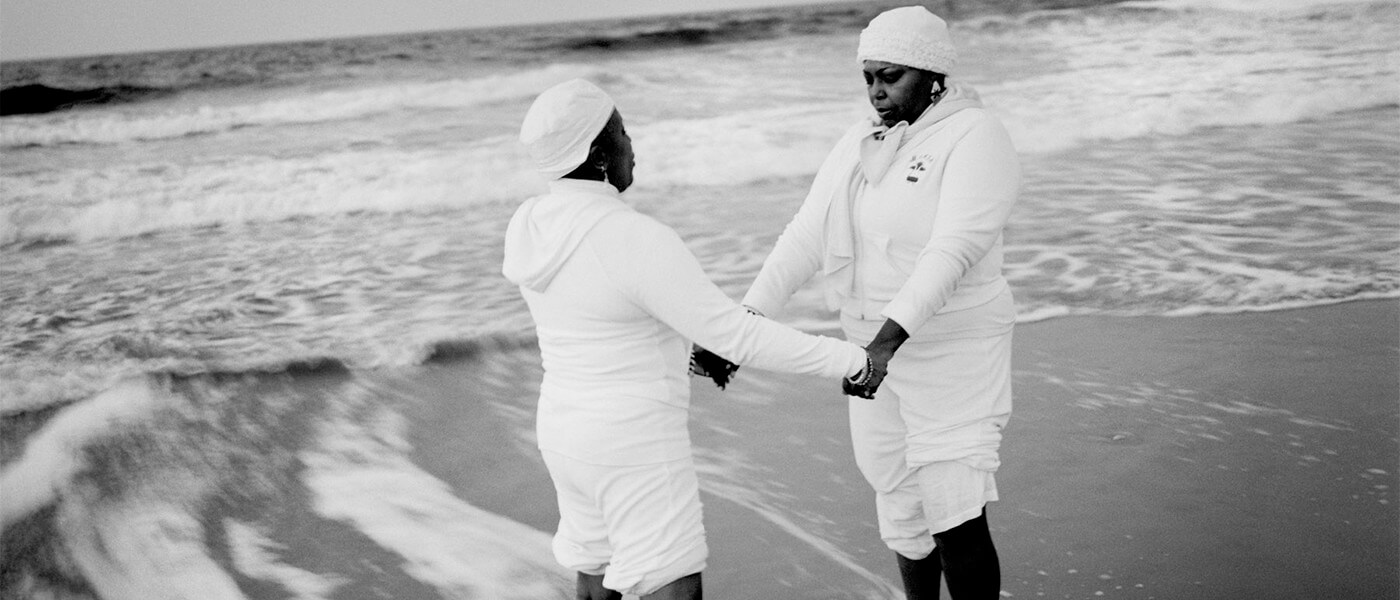
From Wounded Knee to the Edmund Pettus Bridge, Marked, Unmarked, Remembered presents photographs by Andrew Lichtenstein of significant sites from U.S. history, posing unsettling questions about the contested memory of traumatic episodes from the nations past. Focusing especially on landscapes related to African American, Native American and labor history, Lichtenstein reveals new vistas of officially commemorated sites, sites that are neglected or obscured, and sites that serve as a gathering place for active rituals of organized memory. Curator: Mark Ludak, Department of Art and Design

Come enjoy your Sunday by trying delicious samples from your favorite Belmar restaurants and several new eateries. Come channel your inner food and sample up to 4 hours of food sampling. Children 12 and under are free
From Wounded Knee to the Edmund Pettus Bridge, Marked, Unmarked, Remembered presents photographs by Andrew Lichtenstein of significant sites from U.S. history, posing unsettling questions about the contested memory of traumatic episodes from the nations past. Focusing especially on landscapes related to African American, Native American and labor history, Lichtenstein reveals new vistas of officially commemorated sites, sites that are neglected or obscured, and sites that serve as a gathering place for active rituals of organized memory. Curator: Mark Ludak, Department of Art and Design
From Wounded Knee to the Edmund Pettus Bridge, Marked, Unmarked, Remembered presents photographs by Andrew Lichtenstein of significant sites from U.S. history, posing unsettling questions about the contested memory of traumatic episodes from the nations past. Focusing especially on landscapes related to African American, Native American and labor history, Lichtenstein reveals new vistas of officially commemorated sites, sites that are neglected or obscured, and sites that serve as a gathering place for active rituals of organized memory. Curator: Mark Ludak, Department of Art and Design
From Wounded Knee to the Edmund Pettus Bridge, Marked, Unmarked, Remembered presents photographs by Andrew Lichtenstein of significant sites from U.S. history, posing unsettling questions about the contested memory of traumatic episodes from the nations past. Focusing especially on landscapes related to African American, Native American and labor history, Lichtenstein reveals new vistas of officially commemorated sites, sites that are neglected or obscured, and sites that serve as a gathering place for active rituals of organized memory. Curator: Mark Ludak, Department of Art and Design
From Wounded Knee to the Edmund Pettus Bridge, Marked, Unmarked, Remembered presents photographs by Andrew Lichtenstein of significant sites from U.S. history, posing unsettling questions about the contested memory of traumatic episodes from the nations past. Focusing especially on landscapes related to African American, Native American and labor history, Lichtenstein reveals new vistas of officially commemorated sites, sites that are neglected or obscured, and sites that serve as a gathering place for active rituals of organized memory. Curator: Mark Ludak, Department of Art and Design
From Wounded Knee to the Edmund Pettus Bridge, Marked, Unmarked, Remembered presents photographs by Andrew Lichtenstein of significant sites from U.S. history, posing unsettling questions about the contested memory of traumatic episodes from the nations past. Focusing especially on landscapes related to African American, Native American and labor history, Lichtenstein reveals new vistas of officially commemorated sites, sites that are neglected or obscured, and sites that serve as a gathering place for active rituals of organized memory. Curator: Mark Ludak, Department of Art and Design
From Wounded Knee to the Edmund Pettus Bridge, Marked, Unmarked, Remembered presents photographs by Andrew Lichtenstein of significant sites from U.S. history, posing unsettling questions about the contested memory of traumatic episodes from the nations past. Focusing especially on landscapes related to African American, Native American and labor history, Lichtenstein reveals new vistas of officially commemorated sites, sites that are neglected or obscured, and sites that serve as a gathering place for active rituals of organized memory. Curator: Mark Ludak, Department of Art and Design
From Wounded Knee to the Edmund Pettus Bridge, Marked, Unmarked, Remembered presents photographs by Andrew Lichtenstein of significant sites from U.S. history, posing unsettling questions about the contested memory of traumatic episodes from the nations past. Focusing especially on landscapes related to African American, Native American and labor history, Lichtenstein reveals new vistas of officially commemorated sites, sites that are neglected or obscured, and sites that serve as a gathering place for active rituals of organized memory. Curator: Mark Ludak, Department of Art and Design
From Wounded Knee to the Edmund Pettus Bridge, Marked, Unmarked, Remembered presents photographs by Andrew Lichtenstein of significant sites from U.S. history, posing unsettling questions about the contested memory of traumatic episodes from the nations past. Focusing especially on landscapes related to African American, Native American and labor history, Lichtenstein reveals new vistas of officially commemorated sites, sites that are neglected or obscured, and sites that serve as a gathering place for active rituals of organized memory. Curator: Mark Ludak, Department of Art and Design
From Wounded Knee to the Edmund Pettus Bridge, Marked, Unmarked, Remembered presents photographs by Andrew Lichtenstein of significant sites from U.S. history, posing unsettling questions about the contested memory of traumatic episodes from the nations past. Focusing especially on landscapes related to African American, Native American and labor history, Lichtenstein reveals new vistas of officially commemorated sites, sites that are neglected or obscured, and sites that serve as a gathering place for active rituals of organized memory. Curator: Mark Ludak, Department of Art and Design
From Wounded Knee to the Edmund Pettus Bridge, Marked, Unmarked, Remembered presents photographs by Andrew Lichtenstein of significant sites from U.S. history, posing unsettling questions about the contested memory of traumatic episodes from the nations past. Focusing especially on landscapes related to African American, Native American and labor history, Lichtenstein reveals new vistas of officially commemorated sites, sites that are neglected or obscured, and sites that serve as a gathering place for active rituals of organized memory. Curator: Mark Ludak, Department of Art and Design
From Wounded Knee to the Edmund Pettus Bridge, Marked, Unmarked, Remembered presents photographs by Andrew Lichtenstein of significant sites from U.S. history, posing unsettling questions about the contested memory of traumatic episodes from the nations past. Focusing especially on landscapes related to African American, Native American and labor history, Lichtenstein reveals new vistas of officially commemorated sites, sites that are neglected or obscured, and sites that serve as a gathering place for active rituals of organized memory. Curator: Mark Ludak, Department of Art and Design
From Wounded Knee to the Edmund Pettus Bridge, Marked, Unmarked, Remembered presents photographs by Andrew Lichtenstein of significant sites from U.S. history, posing unsettling questions about the contested memory of traumatic episodes from the nations past. Focusing especially on landscapes related to African American, Native American and labor history, Lichtenstein reveals new vistas of officially commemorated sites, sites that are neglected or obscured, and sites that serve as a gathering place for active rituals of organized memory. Curator: Mark Ludak, Department of Art and Design
Seasonal Part Time & Full Time Positions available for Summer 2019. Ages 14* and Up (*limited positions for 14 & 15 year-olds). Must bring Two Forms of ID. Positions include game and ride operators, arcade workers, Beach Staff, Parking Attendants, Ropes Course Facilitators, Restaurant, and Candy Store & Gift Store.

Come to Monmouth Museum to see physical therapist Yaffa Liebermann present “I Stand up Straight”. “I Stand up Straight” is a fun and educational picture book that teaches children correct posture through a memorable poem, beautiful illustrations, and easy to follow children exercises. Space is limited with only a 25 person maximum capacity.

Children ages 7 and up are welcome to come to Monmouth Museum for a fun interactive hour of science and learning. Chaperones are required to attend and booking sessions max out after 10!

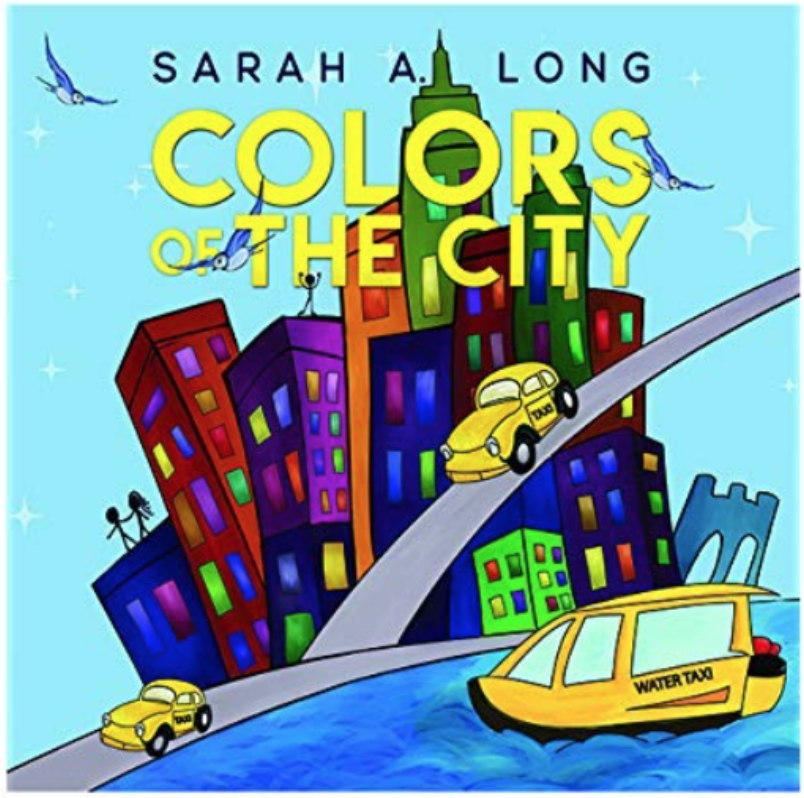
Come see author Sarah A. Long present her book, “Colors Of The City”. A craft event based off of the book will be held after presentations. Sarah will stick around after the event for any questions.

This wonderful event showcases vendors of green products/ideas, environmental organizations and local businesses. This year, one of the focuses of the Commission is to spread awareness of Integrated Pest Management: broad-based approach that integrates practices for economic control of pests. Vendors’ exhibits will have a theme, a product, or a lesson that is Environmentally Themed in nature.
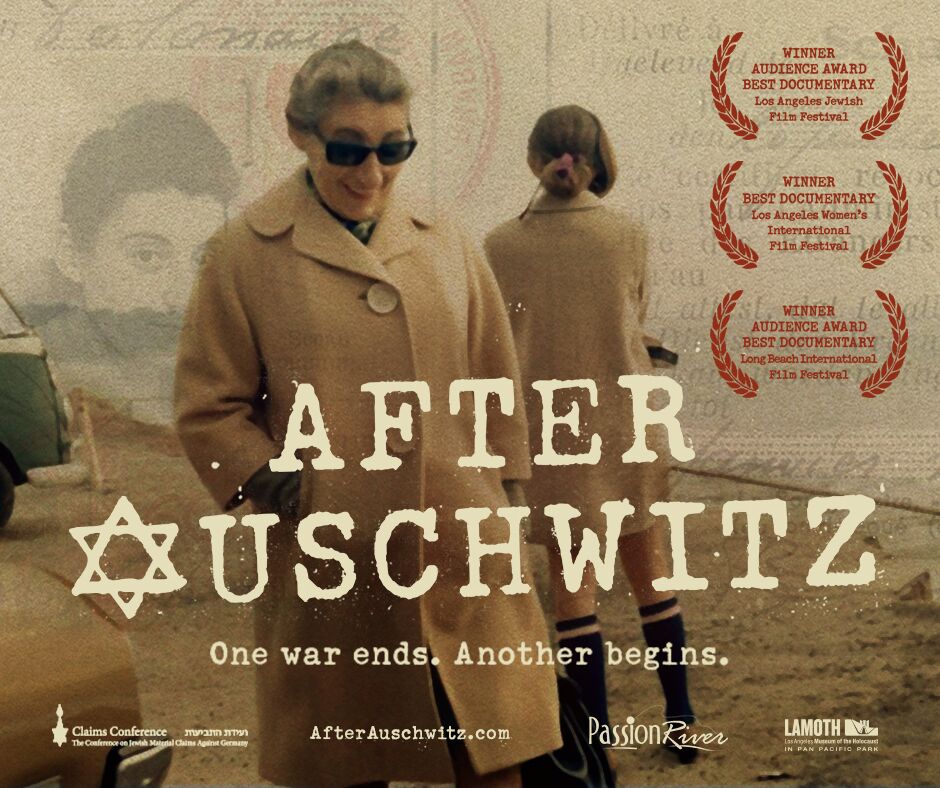
In honor of Holocaust Remembrance Day please join us to view, After Auschwitz, a “Post-Holocaust” documentary that follows six extraordinary women, capturing what it means to move from tragedy and trauma towards life. This program runs for 83 minutes and is free for public viewing. Registration begins on April 4, 2019.
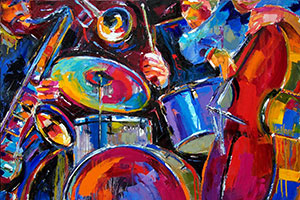
The Brass Family of the orchestra are often the loudest. Enjoy hearing Trumpets, and Trombones, the French Horn, and the Tuba. Hear how Ludwig van Beethoven uses Brass instruments in his Symphony No. 3 and his Piano Concerto No. 5. Afterwards, you can blow your own horn, and all the other brass instruments too!

Enjoy the day strolling the Village and seeing spectacular vintage British cars on display. Historic Smithville offers 60 Shoppes, 7 eateries, a carousel ride, train ride, paddleboats, arcade, on site lodging at the Colonial Inn, and over 26 free weekend events!
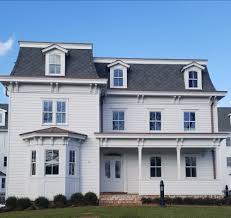
Come get an inside look of the National Historic Landmark, known as the T. Thomas Fortune Cultural Center will be open for the “Old Monmouth Weekend” Tour of Historical Sites. The T. Thomas Fortune Cultural Center, which has been fully restored, is the former home of the prominent African American journalist, T. Thomas Fortune, who lived there with his family from 1901-1912.
Come get an inside look of the National Historic Landmark, known as the T. Thomas Fortune Cultural Center will be open for the “Old Monmouth Weekend” Tour of Historical Sites. The T. Thomas Fortune Cultural Center, which has been fully restored, is the former home of the prominent African American journalist, T. Thomas Fortune, who lived there with his family from 1901-1912.

2019 Cape May Antique & Classic Automobile Show
Saturday, July 20
9am – 3pm
Collier’s Liquor Store Parking Lot on the corner of Jackson & Lafayette Streets.
Free To the Public
Registration Fee for Auto Owners • Limited to 40 Automobiles
Join us in beautiful Cape May, NJ for a day of sharing your car and memories!
For further information, call 609-884-9565.