


The Village Inn is located in Englishtown, Monmouth County, New Jersey and offers tours through out the house. Your tour takes you back into history when it was Washington’s Headquarters during the Revolutionary War. The building was built in 1732 and was added to the National Register of Historic Places on November 13, 1972. They offer snacks and small gifts at the end of the tour.

Bring your four-legged friend out for a fun-filled day of splashing & playing! Sunday, September 9th, 3pm – 5pm. Rabies tag & license required. The Bordatella vaccine (for Kennel Cough-recommended by veterinarians anytime dogs intermingle for a length of time), must be given at least 48 hours prior to this event in order for the vaccine to be effective. Rabies tag is NOT acceptable proof. All dogs must have a collar and a leash must be on hand by owner. Limit one dog per handler, NO aggressive dogs allowed (any dog exhibiting aggressive behavior will be required to leave with no refund). Every owner takes full responsibility for his or her dog at all times. Every owner must provide proof of vaccinations and license within 24 hours upon request. Advance ticket (not receipt) is required for entry. Swimming is for dogs only. Humans should not enter the water past knee depth. No puppies under 6 months of age are allowed. Female dogs in season are not allowed. Paws in the Park will be held rain or shine!
This is a Special Event, not a waterpark admission. Easter passes, coupons, specials and discounts are not valid for admission to this event. Admission is $20 per dog, $10 per handler, and extra guests are $10 each, with a portion of the proceeds benefiting the local SPCA.
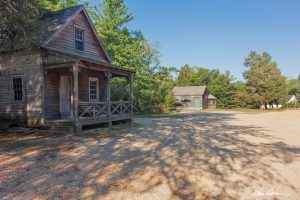
Andrew Anderson, historian at the Double Trouble Village State Historic site will share dramatic slides and video of the labor-intensive dry-picking harvest of cranberries and the modern day water harvest at cranberry farms in New Jersey. A Q&A session will follow this presentation.

1776 will remind us all of the world our forefathers envisioned when they created this nation. With music and lyrics by Sherman Edwards and a book by Peter Stone, 1776 is a compelling story breathing fresh life into the events surrounding the signing of the Declaration of Independence. The story follows historical figures John Adams, Benjamin Franklin, and Thomas Jefferson as they attempt to convince the members of the Second Continental Congress to vote for independence from the shackles of the British monarchy by signing the Declaration of Independence. 1776 is an entertaining and educational experience for the whole family!
Show dates & times:
Friday, October 12, 2018 at 8:00 PM
Saturday, October 13, 2018 at 8:00 PM
Sunday, October 14, 2018 at 3:00 PM
Saturday, October 20, 2018 at 8:00 PM
Sunday, October 21, 2018 at 3:00 PM
Hero 5k run will take place at 9:30am. Hero ceremonies are at 10:30am. The walk is a 5k walk along the Ocean City boardwalk. We raise awareness of the importance of sober designated drivers. Registration begins at 8:30am at the Sports & Civic Center, 6th & Boardwalk. For more information visit www.herocampaign.org or call 609-626-3880.
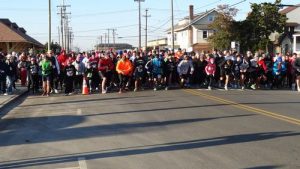
Start is 10th & Haven at the Ocean City Transportation Center. Finish in Kennedy Park in Somers Point.
Pick up your race # and race shirt and see you on the starting line!
Friday, Nov 2, 2018 9:00AM – 7:00PM
Ocean City Aquatic & Fitness Center, 1735 Simpson Ave. (609) 398-6900
Saturday, 11/3/18 7:00AM – 7:45AM
10th & Haven Transportation Center
1st Overall Male and Female
Age Group: Top 3, 8 & under, 9-11, 12-14, 15-19, 20-29, 30-39, 40-49, 50-59, 60-69, 70-79, 80 & Over
Awards ceremony is held at Kennedy Park in Somers Pt. at the finish.
Down the “beautiful” OC Boardwalk. Sponsored by the Humane Society of Ocean City. For more information call 609-398-9500 ext. 4 or visit www.hsocnj.org
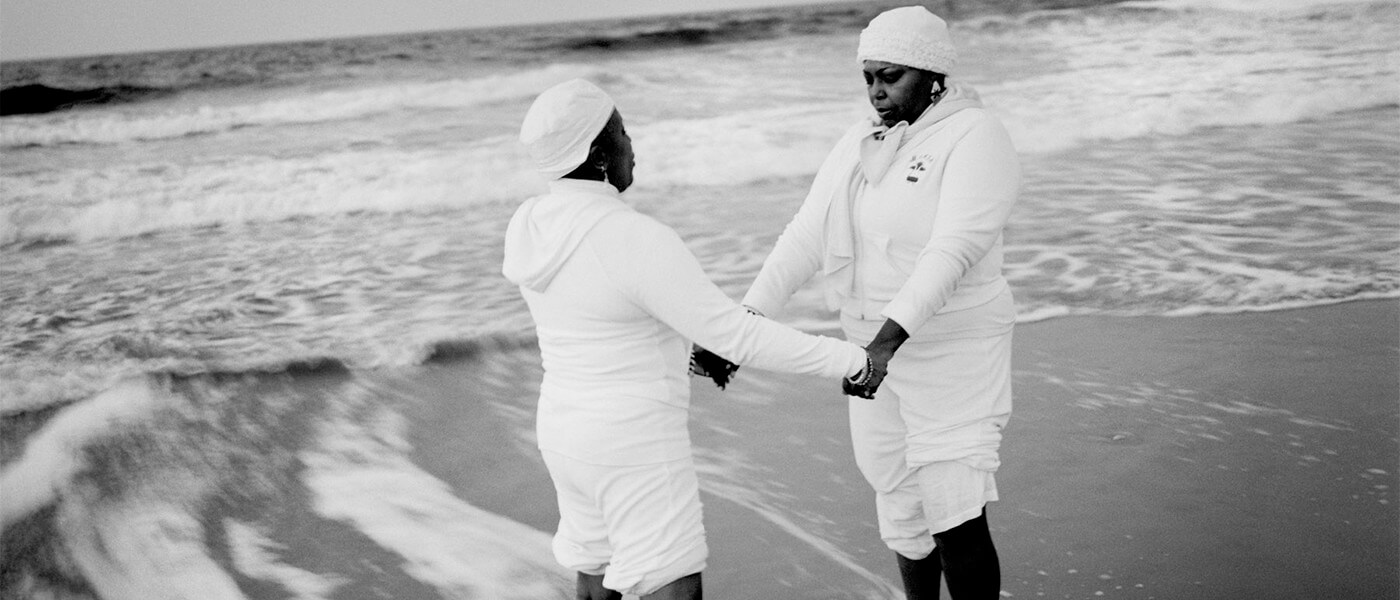
From Wounded Knee to the Edmund Pettus Bridge, Marked, Unmarked, Remembered presents photographs by Andrew Lichtenstein of significant sites from U.S. history, posing unsettling questions about the contested memory of traumatic episodes from the nations past. Focusing especially on landscapes related to African American, Native American and labor history, Lichtenstein reveals new vistas of officially commemorated sites, sites that are neglected or obscured, and sites that serve as a gathering place for active rituals of organized memory. Curator: Mark Ludak, Department of Art and Design
From Wounded Knee to the Edmund Pettus Bridge, Marked, Unmarked, Remembered presents photographs by Andrew Lichtenstein of significant sites from U.S. history, posing unsettling questions about the contested memory of traumatic episodes from the nations past. Focusing especially on landscapes related to African American, Native American and labor history, Lichtenstein reveals new vistas of officially commemorated sites, sites that are neglected or obscured, and sites that serve as a gathering place for active rituals of organized memory. Curator: Mark Ludak, Department of Art and Design
From Wounded Knee to the Edmund Pettus Bridge, Marked, Unmarked, Remembered presents photographs by Andrew Lichtenstein of significant sites from U.S. history, posing unsettling questions about the contested memory of traumatic episodes from the nations past. Focusing especially on landscapes related to African American, Native American and labor history, Lichtenstein reveals new vistas of officially commemorated sites, sites that are neglected or obscured, and sites that serve as a gathering place for active rituals of organized memory. Curator: Mark Ludak, Department of Art and Design
From Wounded Knee to the Edmund Pettus Bridge, Marked, Unmarked, Remembered presents photographs by Andrew Lichtenstein of significant sites from U.S. history, posing unsettling questions about the contested memory of traumatic episodes from the nations past. Focusing especially on landscapes related to African American, Native American and labor history, Lichtenstein reveals new vistas of officially commemorated sites, sites that are neglected or obscured, and sites that serve as a gathering place for active rituals of organized memory. Curator: Mark Ludak, Department of Art and Design
From Wounded Knee to the Edmund Pettus Bridge, Marked, Unmarked, Remembered presents photographs by Andrew Lichtenstein of significant sites from U.S. history, posing unsettling questions about the contested memory of traumatic episodes from the nations past. Focusing especially on landscapes related to African American, Native American and labor history, Lichtenstein reveals new vistas of officially commemorated sites, sites that are neglected or obscured, and sites that serve as a gathering place for active rituals of organized memory. Curator: Mark Ludak, Department of Art and Design
From Wounded Knee to the Edmund Pettus Bridge, Marked, Unmarked, Remembered presents photographs by Andrew Lichtenstein of significant sites from U.S. history, posing unsettling questions about the contested memory of traumatic episodes from the nations past. Focusing especially on landscapes related to African American, Native American and labor history, Lichtenstein reveals new vistas of officially commemorated sites, sites that are neglected or obscured, and sites that serve as a gathering place for active rituals of organized memory. Curator: Mark Ludak, Department of Art and Design
From Wounded Knee to the Edmund Pettus Bridge, Marked, Unmarked, Remembered presents photographs by Andrew Lichtenstein of significant sites from U.S. history, posing unsettling questions about the contested memory of traumatic episodes from the nations past. Focusing especially on landscapes related to African American, Native American and labor history, Lichtenstein reveals new vistas of officially commemorated sites, sites that are neglected or obscured, and sites that serve as a gathering place for active rituals of organized memory. Curator: Mark Ludak, Department of Art and Design
From Wounded Knee to the Edmund Pettus Bridge, Marked, Unmarked, Remembered presents photographs by Andrew Lichtenstein of significant sites from U.S. history, posing unsettling questions about the contested memory of traumatic episodes from the nations past. Focusing especially on landscapes related to African American, Native American and labor history, Lichtenstein reveals new vistas of officially commemorated sites, sites that are neglected or obscured, and sites that serve as a gathering place for active rituals of organized memory. Curator: Mark Ludak, Department of Art and Design
Come down and see what the farm staff is cooking on the wood-fired stove. Discover new recipes and cooking techniques. Study how the kitchens have changed since the 1890s in this free educational event.

From Wounded Knee to the Edmund Pettus Bridge, Marked, Unmarked, Remembered presents photographs by Andrew Lichtenstein of significant sites from U.S. history, posing unsettling questions about the contested memory of traumatic episodes from the nations past. Focusing especially on landscapes related to African American, Native American and labor history, Lichtenstein reveals new vistas of officially commemorated sites, sites that are neglected or obscured, and sites that serve as a gathering place for active rituals of organized memory. Curator: Mark Ludak, Department of Art and Design

At the Asbury Park museum there will be a presentation by Claire T. Garland, Director of the Sand Hill Indian Historical Society and Sharon Coleman Davis. The two ladies will share their family roots and history of the Cherokee Indian inhabitants of our area going back to the early 1700s.
From Wounded Knee to the Edmund Pettus Bridge, Marked, Unmarked, Remembered presents photographs by Andrew Lichtenstein of significant sites from U.S. history, posing unsettling questions about the contested memory of traumatic episodes from the nations past. Focusing especially on landscapes related to African American, Native American and labor history, Lichtenstein reveals new vistas of officially commemorated sites, sites that are neglected or obscured, and sites that serve as a gathering place for active rituals of organized memory. Curator: Mark Ludak, Department of Art and Design
From Wounded Knee to the Edmund Pettus Bridge, Marked, Unmarked, Remembered presents photographs by Andrew Lichtenstein of significant sites from U.S. history, posing unsettling questions about the contested memory of traumatic episodes from the nations past. Focusing especially on landscapes related to African American, Native American and labor history, Lichtenstein reveals new vistas of officially commemorated sites, sites that are neglected or obscured, and sites that serve as a gathering place for active rituals of organized memory. Curator: Mark Ludak, Department of Art and Design
From Wounded Knee to the Edmund Pettus Bridge, Marked, Unmarked, Remembered presents photographs by Andrew Lichtenstein of significant sites from U.S. history, posing unsettling questions about the contested memory of traumatic episodes from the nations past. Focusing especially on landscapes related to African American, Native American and labor history, Lichtenstein reveals new vistas of officially commemorated sites, sites that are neglected or obscured, and sites that serve as a gathering place for active rituals of organized memory. Curator: Mark Ludak, Department of Art and Design
From Wounded Knee to the Edmund Pettus Bridge, Marked, Unmarked, Remembered presents photographs by Andrew Lichtenstein of significant sites from U.S. history, posing unsettling questions about the contested memory of traumatic episodes from the nations past. Focusing especially on landscapes related to African American, Native American and labor history, Lichtenstein reveals new vistas of officially commemorated sites, sites that are neglected or obscured, and sites that serve as a gathering place for active rituals of organized memory. Curator: Mark Ludak, Department of Art and Design
From Wounded Knee to the Edmund Pettus Bridge, Marked, Unmarked, Remembered presents photographs by Andrew Lichtenstein of significant sites from U.S. history, posing unsettling questions about the contested memory of traumatic episodes from the nations past. Focusing especially on landscapes related to African American, Native American and labor history, Lichtenstein reveals new vistas of officially commemorated sites, sites that are neglected or obscured, and sites that serve as a gathering place for active rituals of organized memory. Curator: Mark Ludak, Department of Art and Design
From Wounded Knee to the Edmund Pettus Bridge, Marked, Unmarked, Remembered presents photographs by Andrew Lichtenstein of significant sites from U.S. history, posing unsettling questions about the contested memory of traumatic episodes from the nations past. Focusing especially on landscapes related to African American, Native American and labor history, Lichtenstein reveals new vistas of officially commemorated sites, sites that are neglected or obscured, and sites that serve as a gathering place for active rituals of organized memory. Curator: Mark Ludak, Department of Art and Design

On Saturday March 9th, experience first-hand the North American tradition of maple sugaring at Hunterdon County’s Maple Sugaring Program. The tour will take you through the experience and the art of the sugaring process. Along the way you will see an early American Frontiersman tapping his trees, visit a sugar “farmer” at his evaporator, and enjoy a Native American story about the discovery of maple sap. Everyone will get a free taste of real maple syrup on a silver dollar pancake at the end of the tour. All ages are welcome.
Time: 9:00 AM to 2:00 PM – tours begin every 20 minutes (duration: 1 hr)
Cost: $1 per person suggested donation